


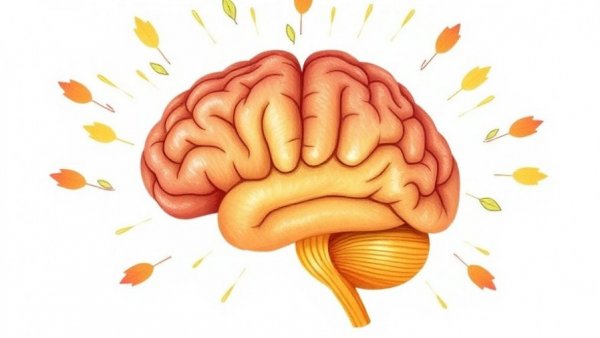
Understanding the Neuroscience Behind Gratitude
Recent studies have illuminated the profound influence gratitude has on our brain's functioning. Surprisingly, gratitude doesn’t just alter our moods; it can lead to tangible changes in our brain's chemistry. Neuroscience research shows that practicing gratitude activates regions associated with emotional regulation, reward response, and decision-making. This activation leads to the release of neurotransmitters like dopamine and serotonin, contributing to overall well-being and mental clarity. The more we practice gratitude, the stronger these neural pathways become, creating a feedback loop that promotes a positive mindset.
The Benefits of Gratitude for Mental Health
Incorporating gratitude into one’s life can foster a positive mental health landscape. Research indicates that individuals who regularly express gratitude experience less anxiety and depression. This emotional exercise encourages a shift in perspective, prompting individuals to focus on the positives rather than dwelling on negatives. Furthermore, gratitude helps bolster resilience during challenging times, acting as a buffer against stress and emotional turmoil. As mindfulness practices adapt to encourage gratitude, this becomes a crucial area for personal growth and self-improvement, enabling individuals to live fuller, more satisfying lives.
Gratitude's Role in Mindfulness and Yoga
Mindfulness, a concept intrinsically linked to yoga practice, teaches us to live in the moment. Integrating gratitude into your yoga routine can enhance your practice significantly. At the heart of mindful yoga and mindful body yoga is the recognition of the good in the ordinary. Each breath taken on the mat becomes an opportunity for gratitude—whether for the warmth of the sun, the strength of the body, or the peace found in stillness. This transformation nurtures a deeper connection to oneself and the surrounding world, allowing practitioners to find contentment in the present moment.
Additionally, many yoga instructors incorporate gratitude into their teachings by encouraging students to dedicate their practice to someone they are thankful for, transforming the yoga session into a celebration of connection and compassion. Many practitioners have found that this intentional focus on gratitude allows for a more heartfelt practice, creating space for inner peace and joy.
Future Insights: Harnessing Gratitude for Wellness
As research continues to unfold the intricacies of gratitude, we can anticipate a growing movement toward harnessing this emotion as a wellness tool. Current trends suggest wellness programs in institutions will prioritize gratitude practices, integrating them into therapeutic settings. For example, mental health professionals may begin including gratitude exercises in treatment plans, emphasizing its potential as a simple yet effective method for improving emotional health. As more studies emerge highlighting the physiological benefits of gratitude, we may see it incorporated in schools, workplaces, and community programs aimed at enhancing quality of life.
Actionable Steps to Cultivate Gratitude
If you want to embrace gratitude in your daily routine, start with these simple steps:
- Keep a Gratitude Journal: Spend a few minutes each day jotting down things you're thankful for. This practice fosters a habit of looking for the good in your life and encourages positive thinking.
- Express Gratitude: Make it a point to express thanks to someone daily, whether through a text, phone call, or face-to-face conversation. Sharing this emotion can strengthen your relationships and community ties, leading to a more connected and supportive environment.
- Incorporate Gratitude Into Yoga: During your practice, take a moment in savasana (corpse pose) to reflect on three things you're grateful for. This routine can deepen the benefits of both gratitude and yoga, enhancing relaxation and mindfulness.
- Engage in Gratitude Meditation: Set aside a few minutes once or twice a week to sit quietly and focus on what you appreciate in your life. Visualization of these aspects can further cement their importance in your heart and mind.
Embracing gratitude is not just about improving our lives but also about enhancing our emotional intelligence and societal well-being. By fostering gratitude, we can elevate our own happiness and contribute to a more positive environment around us. We invite you to incorporate these strategies into your daily life to witness the profound impact they have on your mental state and relationships. As science continues to reveal more about gratitude's role in our emotional health, we can harness this potent emotion to cultivate a more fulfilling and joyful existence.





Write A Comment