


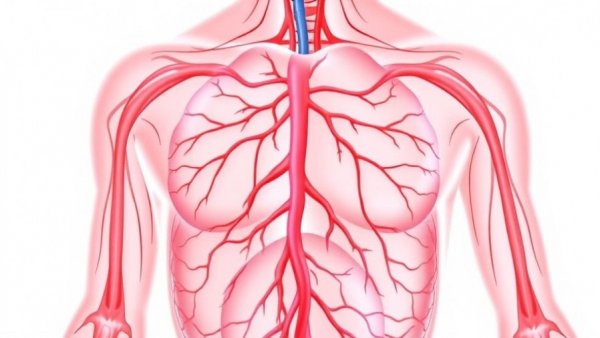
Understanding the Role of Veins in Blood Circulation
Blood circulation is vital for our health, and while many people are familiar with arteries and their role in delivering oxygen and nutrients, the importance of veins is often underappreciated. Veins are the unsung heroes of the circulatory system, responsible for returning deoxygenated blood back to the heart. This continuous journey of blood is essential to keeping our organs and tissues healthy.
The Anatomy of Veins
Veins are a network of vessels that range from tiny tubes to larger vessels, covering the entire body. Many people might primarily think of visible issues like varicose veins when they hear the term, but veins are much more than just a physical symptom.
Did you know that there are about 60,000 miles of veins in the human body? These vessels work collaboratively with arteries, acting like a two-lane highway, where arteries transport oxygen-rich blood away from the heart, while veins bring back the depleted blood to be replenished with oxygen. Interestingly, veins are often located next to arteries with similar names—like how the axillary vein sits next to the axillary artery.
How Do Veins Function?
The functionality of veins is remarkable, yet it’s easy to take for granted. Each vein contains tiny valves that ensure blood flows in only one direction, preventing it from pooling in the legs or elsewhere—a crucial feature, especially when we are active.
Think about this: when you jog, your muscles contract, pushing the blood through your veins back to your lungs. Additionally, each breath you take creates a suction effect that helps pull the blood toward your heart. These mechanisms work together to ensure that blood circulates effectively, which is vital for your active lifestyle.
Why Are Some Veins Visible?
Many people wonder why some veins appear blue or green. Despite popular belief, this color appearance has more to do with how light penetrates the skin rather than the color of the blood within the veins. In fact, veins are always the same color as the blood they carry—dark red when it is deoxygenated—and their “color” is merely an optical illusion, contributing to the many misconceptions surrounding vascular health.
Five Ways to Maintain Healthy Veins
Keeping your veins healthy is crucial for overall wellness. Here are five simple habits that can promote vein health:
- Stay Active: Regular physical activity strengthens veins and improves circulation.
- Stay Hydrated: Drinking plenty of water avoids blood thickening, making it easier for veins to transport blood.
- Elevate Your Legs: Elevating your legs during rest can help relieve pressure and encourage blood flow back to the heart.
- Avoid Prolonged Sitting or Standing: Take breaks to move around if your job requires sitting or standing for long periods.
- Eat a Balanced Diet: A diet rich in vitamin C and antioxidant-rich foods can strengthen the vascular wall.
Future Insights: What Lies Ahead for Vascular Health
There is growing research into various means of improving vascular health, including lifestyle interventions and potential medical advancements. Scientific research continues to unveil new ways to enhance our understanding of how veins operate and how we can best support them.
By investing time in learning about our bodies and embracing healthy habits, we can mitigate the risks associated with poor vascular health. The future looks bright as we prioritize our well-being and seek to understand the intricacies of our circulatory system.
Blood circulation and the role of veins in our health often don’t receive the attention they deserve. Emphasizing these critical functions through education can lead to more informed, health-conscious individuals. Next time you think about staying active, remember to thank your veins for the vital work they do!
Let’s be proactive in our health decisions. If you're interested in enhancing your well-being further, explore new ways to incorporate yoga into your life, focusing on breath and circulation. By understanding and caring for our veins, we take a significant step toward a healthier future!




Write A Comment