


Understanding Measles: A Hidden Danger in Our Communities
On November 17, 2026, the United States made a troubling announcement: it officially lost its measles elimination status. This might come as a shock to many, especially since measles was deemed eliminated in the US as early as the year 2000 due to a successful vaccination program. The recent resurgence of this infectious disease is alarming and underscores a significant setback in our public health endeavors. Measles is not just another cold, but a serious disease that can lead to life-threatening complications.
The Recent Measles Outbreak: What Happened?
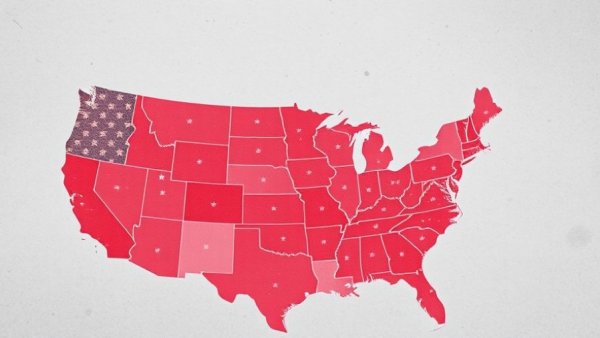
Over the last two years, an astonishing 7,701 cases of measles were confirmed across 45 states, with some of the most vulnerable—children under the age of 5 and older children—being disproportionately affected. In fact, about 20% of these infections occurred in young children, and hospitalization has become a grim reality for over 800 individuals, resulting in the first measles-related deaths in the United States in over a decade. Measles is highly preventable; it is estimated that achieving a 95% vaccination rate in a community can create herd immunity, effectively protecting both vaccinated individuals and those who cannot be vaccinated.
The Importance of Vaccination Against Measles
Regrettably, vaccination rates among school-age children have been decreasing, dropping from around 95% in 2019 to only 92% in 2025, with some areas reporting rates as low as 80%. This decline in vaccination is alarming, as 95% of the individuals affected by measles in the recent outbreaks were unvaccinated. Vaccination typically starts at age 1, leaving younger children especially vulnerable. It is crucial that we understand how important it is to vaccinate children to prevent outbreaks before they happen.
The Contagion: Why Measles Spreads So Easily
Measles is incredibly contagious. Estimates indicate that up to 90% of non-immune individuals who come into contact with the virus will contract it. Unlike other viruses such as the flu or even COVID-19, measles can linger in the air long after an infected person has left the area. It often takes 7 to 14 days after exposure for symptoms to develop, which makes early diagnosis challenging. By the time the classic symptoms, such as a distinctive skin rash or Koplik spots (tiny white spots inside the mouth), appear, the individual is already highly contagious. This makes measles an especially difficult virus to contain.
Lessons in Health: Counteracting Misinformation
With the recent resurgence of measles, it's vital to address and debunk the myths surrounding vaccinations. Many individuals harbor misconceptions about vaccines and their effects. It's essential to understand that vaccines undergo rigorous testing for safety and efficacy before being approved for public use. By fostering informed discussions in communities about the importance of vaccinations, we can combat misinformation and support public health.
The Path Forward: Building Healthy Communities
The return of measles should serve as a clarion call to re-engage our communities in health education and vaccination efforts. By emphasizing the value of vaccinations, we can create a robust defense against a virus that is easily preventable. Whether through grassroots campaigns or health workshops, we can motivate parents and guardians to ensure their children receive the necessary vaccinations on schedule.
As we move forward, it's essential to embrace holistic health principles—integrating medical science with community health initiatives to foster a culture of well-being. For those who are unsure about vaccination for their children, I encourage you to consult with healthcare practitioners, explore current research, and consider the broader implications for community health. Together, we can ensure that measles is once again eliminated from our schools and neighborhoods.




Write A Comment